
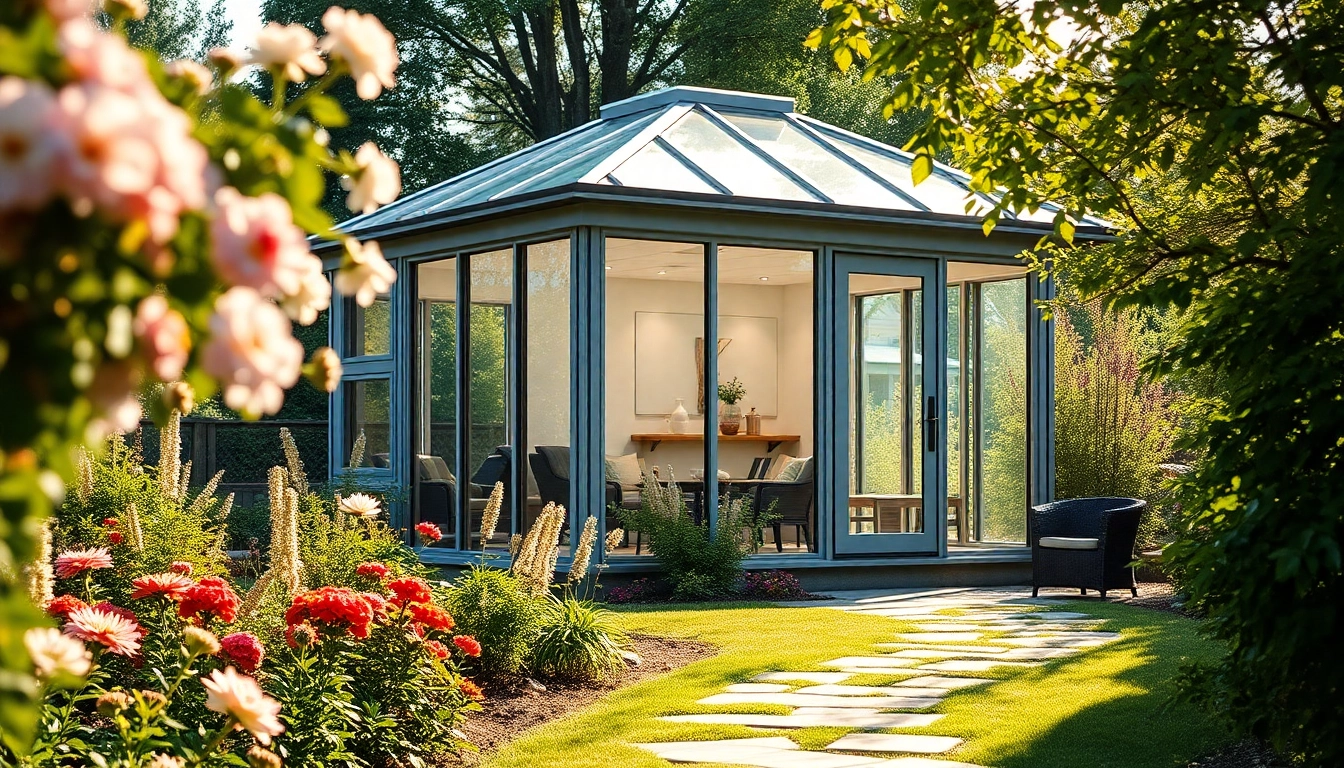
Understanding the Basics of Sunroom Install
What is a Sunroom?
A sunroom is a designated space in a home that is primarily designed to bring in natural light while providing protection from the elements. Characterized by large windows and sometimes glass walls or roofs, sunrooms serve as multipurpose areas for relaxation, entertainment, or gardening. These structures can range from simple three-season rooms to elaborate, all-season retreats with climate control and beautiful vistas.
Benefits of Adding a Sunroom
Adding a sunroom to your home can significantly enhance your living environment. Some of the key benefits include:
- Increased Natural Light: A sunroom allows for an abundance of natural sunlight, which can improve your mood and wellbeing.
- Expanded Living Space: It offers additional square footage for various uses, such as a home office, playroom, or relaxed sitting area.
- Improved Home Value: A well-designed sunroom can increase the resale value of your home, appealing to potential buyers.
- Connection with Nature: Enjoy a space where you can immerse in the beauty of your garden or landscape, even when indoors.
Different Types of Sunrooms
Understanding the types of sunrooms available can help you make informed decisions during your sunroom install. Here are a few popular options:
- Three-Season Sunrooms: Designed for use during spring, summer, and fall, these rooms generally lack heating and are ideal in moderate climates.
- Four-Season Sunrooms: These are constructed with insulation and climate control systems, allowing year-round enjoyment.
- Screen Rooms: They offer protection from bugs and outdoor elements while providing a seamless outdoor experience, primarily used during warmer months.
- Solariums: These rooms are almost entirely made of glass, offering panoramic views and abundant sunlight. They are particularly popular for gardening enthusiasts.
Planning and Preparing for Your Sunroom Install
Choosing the Right Location
Selecting the ideal location for your sunroom is crucial. Factors to consider include:
- Sunlight Access: Ensure the location receives ample sunlight throughout the day to maximize the benefits of natural light.
- View: Position the sunroom to highlight scenic views in your landscape, enhancing the outdoor connection.
- Proximity: Consider how close it will be to the main living areas of your home for ease of access and use.
- Building Codes: Research local building regulations regarding sunroom placements to avoid any complications.
Essential Permits and Regulations
Before initiating your sunroom install, check local building codes and municipalities for necessary permits. Factors often include zoning laws, electrical codes, and structural integrity regulations. Securing permits ensures that your addition complies with safety standards and can prevent legal issues down the road.
Budgeting for Your Sunroom Install
Creating a realistic budget is essential for your sunroom project. Here are some key cost factors to consider:
- Size: Larger sunrooms will naturally incur higher costs due to increased material and labor needs.
- Materials: The type of glass, flooring, and furniture you choose will influence overall expenses.
- Labor: Professional installation may add to your budget but can ensure the job is done correctly and safely.
- Finishing Touches: Include costs for additional features such as insulation, heating, air conditioning, or electrical work.
Designing Your Dream Sunroom
Setting the Style and Aesthetic
The design style of your sunroom should complement your home’s architecture. Consider various aesthetics, such as:
- Traditional: Features classic elements such as wooden frames, decorative moldings, and soft colors.
- Modern: Embraces minimalist designs with clean lines and a focus on large glass panels.
- Rustic: Utilizes natural materials like reclaimed wood and stone to create a cozy atmosphere.
- Contemporary: Incorporates a mix of materials, vibrant colors, and updated designs for a fresh look.
Choosing Materials and Features
Selection of materials is imperative for the functionality and aesthetics of your sunroom.
- Windows: Double or triple-pane windows enhance insulation and energy efficiency.
- Flooring: Consider weather-resistant options such as tile or vinyl for durability.
- Furniture: Select weatherproof furniture to withstand varying climate conditions and enhance comfort.
- Heating and Cooling: Decide if you want to include heating or cooling units for year-round use.
Incorporating Natural Light Effectively
Maximizing natural light while maintaining comfort is central to sunroom design. Techniques for achieving this include:
- Orientation: Position windows and glass features strategically to capture sunlight throughout the day.
- Skylights: Adding skylights increases daylight penetration without sacrificing wall space.
- Window Treatments: Consider sheer drapes or shades that can filter light while giving you privacy.
Steps for a Professional Sunroom Install
Foundation Preparation
The foundation is one of the most critical aspects of your sunroom install as it supports the structure. Steps include:
- Site Preparation: Clear the area, ensuring it’s level and compacted for a solid base.
- Footings: Install concrete footings according to local building codes to ensure stability.
- Foundation Type: Choose between slab, crawl space, or pier foundations based on accessibility and terrain.
Framing and Structure
Construction frames the aesthetic and functionality of your sunroom. Key steps involve:
- Frame Construction: Build the frame using durable materials, ensuring it can support the weight of windows and roofing.
- Wall Installation: Erect walls and windows securely, ensuring proper insulation against heat loss.
- Roof Installation: Depending on design, install a traditional roof or a glass roof for additional light.
Final Touches and Landscaping
Once the structure is complete, focus on the finishing touches that enhance functionality and beauty:
- Interior Decoration: Choose colors, fabrics, and furnishing that create a welcoming atmosphere.
- Landscaping: Design the surrounding garden or patio area to complement the sunroom’s aesthetic.
- Outdoor Decking: Consider adding a deck that connects seamlessly with the outdoor space for flow.
Maintaining Your Sunroom After Install
Regular Cleaning and Upkeep
Regular maintenance helps preserve the beauty and functionality of your sunroom. Create a schedule that includes:
- Window Cleaning: Clean windows with appropriate cleaners and tools to maintain clarity and view.
- Check Seals: Inspect and reseal windows or doors as necessary to prevent leaks.
- General Upkeep: Address any wear and tear promptly to prevent larger issues from arising.
Seasonal Maintenance Tips
Different seasons bring various challenges. For winter, ensure that heating systems are functional. During summer months, check ventilation and cooling systems. Implement shades or reflectors for hot months as needed. Prepare your sunroom by ensuring gutters are clean for the rainy seasons to prevent water damage.
Enhancing Comfort and Functionality
To enjoy your sunroom to the fullest, focus on enhancements such as:
- Heating and Cooling Systems: Install ceiling fans for summer and electric heaters for winter to maintain comfortable temperatures.
- Plant Care: Consider adding indoor plants that thrive in bright sunlight while also improving air quality.
- Multi-Functional Spaces: Create designated areas for activities like reading, working, or socializing depending on your needs.
FAQs
What is the average cost of adding a sunroom?
The cost of a sunroom averages between $22,000 and $75,000, depending on size, materials, and complexity.
Do I need a permit for a sunroom?
Yes, most cities require building permits for sunroom installations. Check with your local authorities to ensure compliance.
Can I use a sunroom year-round?
Yes, four-season sunrooms are designed for year-round use with proper insulation and climate control systems.
What materials are best for sunroom windows?
Double or triple-pane glass is optimal for windows, providing energy efficiency and effective insulation.
How do I maintain my sunroom in winter?
Regularly check for drafts and ensure heating systems are functional. Keep windows clear of snow and ice for visibility.


