
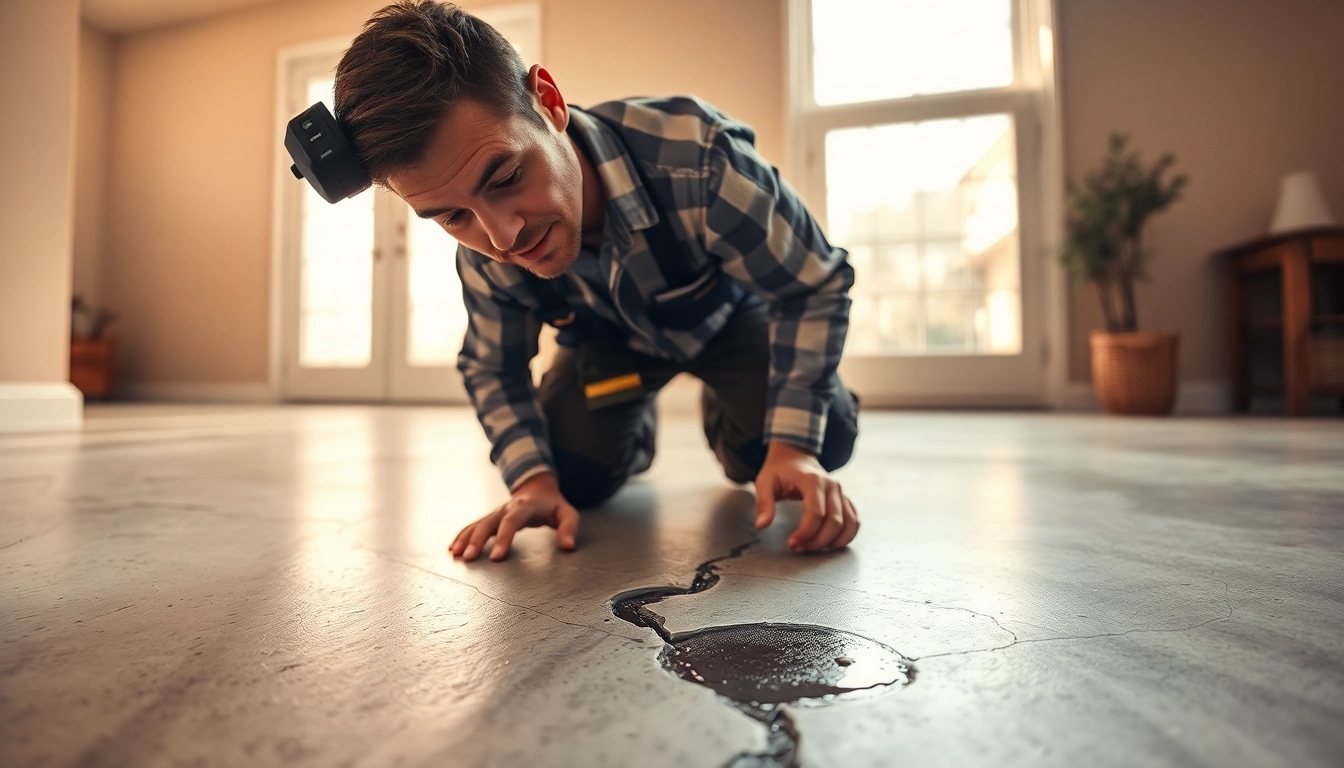
Understanding the Causes of a Leak in Concrete Floor
Leaks in concrete floors, often referred to as slab leaks, can create significant issues for homeowners. These leaks typically occur when plumbing pipes beneath a home’s concrete slab foundation deteriorate, resulting in water escaping into areas where it shouldn’t be. Understanding the causes and implications of a leak in concrete floors is crucial for both immediate action and long-term prevention.
Common Sources of Slab Leaks
Several factors can contribute to slab leaks, including:
- Corrosion of Pipes: Over time, pipes made of copper or galvanized steel can corrode, leading to leaks. This deterioration is often accelerated by soil acidity or chemical reactions.
- Shifting Soil: Soil movement due to expansion, contraction, or erosion can put pressure on pipes, causing them to crack or break.
- Poor Installation: Incorrect installation of plumbing systems can increase the likelihood of leaks. Improperly fitted pipes may shift or loosen over time, creating vulnerabilities.
- Extreme Temperatures: Fluctuating temperatures can cause pipes to expand and contract. Repeated cycles of thermal stress can weaken connections and lead to leaks.
Identifying Signs of Water Damage
Detecting a leak in concrete floors early is essential to minimizing damage. Common indicators include:
- Unexplained Moisture: Wet spots on your floors or damp walls can signal a leak.
- Increased Water Bills: A sudden spike in your water bill may indicate water loss due to a leak.
- Mold or Mildew: The presence of mold or mildew is often a sign of excessive moisture, which could stem from a slab leak.
- Cracks in Flooring: Cracks or buckling in the concrete can occur as the ground shifts or when water causes soil erosion beneath.
Impact of Soil Movement on Concrete
Soil movement can be a significant factor in the development of leaks in concrete floors. Factors such as drought, heavy rain, or seismic activity can lead to soil shifting, which can exert stress on the pipes underneath. Homeowners must be aware that external conditions greatly influence the integrity of their plumbing systems.
Detecting a Leak in Concrete Floor: Techniques and Technologies
Identifying a leak in a concrete floor requires state-of-the-art techniques and technologies to pinpoint the exact source without unnecessary damage. A range of methods is available to help detect leak in concrete floor issues efficiently and accurately.
Using Acoustic Listening Devices
Acoustic listening devices are powerful tools in leak detection. These devices can pick up the sound of water escaping from pipes, even when they are buried beneath several layers of concrete. Technicians can use these devices to localize leaks with precision by analyzing sound frequencies.
Thermal Imaging for Leak Identification
Thermal imaging cameras detect temperature variations in surfaces. By scanning concrete floors, technicians can find cold spots indicative of water escaping from pipes. This non-invasive method allows professionals to locate leaks without having to break through concrete.
Pressure Testing Methods Explained
Pressure testing involves monitoring changes in water pressure at various points of the plumbing system. By isolating sections of the plumbing and observing pressure fluctuations, leak locations can be identified. This method is effective for detecting both slab leaks and other types of plumbing issues.
Steps to Take When You Suspect a Leak in Concrete Floor
If you suspect a leak in your concrete floor, swift action is necessary to prevent further damage. Here are some initial steps to consider:
Initial Diagnostic Procedures
Begin by observing your home for signs of water damage. Check for dampness on floors, walls, or in hidden corners of your home. Conducting visual inspections can provide early indicators of a slab leak. Document any abnormalities to share with a leak detection specialist.
Emergency Response Strategies
If you notice significant water pooling or increased dampness, turn off your water supply immediately to mitigate damage. Reach out to a leak detection professional who can provide quick assessment and solutions.
When to Call a Leak Detection Specialist
Calling a specialist is crucial if you observe signs of a leak but cannot locate the source. A qualified leak detection technician uses advanced technology to pinpoint the leak without invasive procedures. Their expertise can save you time, money, and unnecessary stress.
Repair Options for a Leak in Concrete Floor
Once a leak has been identified, various repair options are available, depending on the severity and location of the leak.
Conventional Repair Techniques
Traditional repair methods often involve breaking through the concrete slab to access the plumbing. This technique can be effective but may cause significant disruption to your home.
Modern Non-Invasive Solutions
Non-invasive methods, such as pipe lining and trenchless repairs, offer innovative alternatives to traditional techniques. These methods minimize damage to your flooring and reduce repair time.
Cost Considerations for Repairs in 2025
The cost of repairing a leak in a concrete floor can vary widely based on factors such as the location of the leak, the method of repair used, and prevailing market rates. Homeowners should be prepared for costs ranging from a few hundred to several thousand dollars, depending on complexity.
Preventative Measures for Future Leaks in Concrete Floor
Taking proactive steps can help prevent future leaks and save you from costly repairs.
Home Maintenance Tips to Reduce Risks
Regular maintenance, such as checking for cracks in concrete, ensuring proper drainage, and inspecting plumbing systems can significantly reduce the risk of slab leaks. Homeowners should be vigilant about addressing minor issues before they escalate.
Understanding Plumbing Systems Under Concrete Slabs
Familiarizing yourself with the layout and condition of plumbing systems beneath your concrete flooring can be beneficial. Knowing where pipes are located can assist in quick identification of issues should they arise.
Innovative Technologies for Leak Prevention
New technologies, such as smart leak detection systems, offer innovative solutions to monitor your plumbing continuously. These systems can alert you to changes in water flow or pressure, allowing for immediate investigation and action.


