
Understanding Free Computer Recycling
What is Free Computer Recycling?
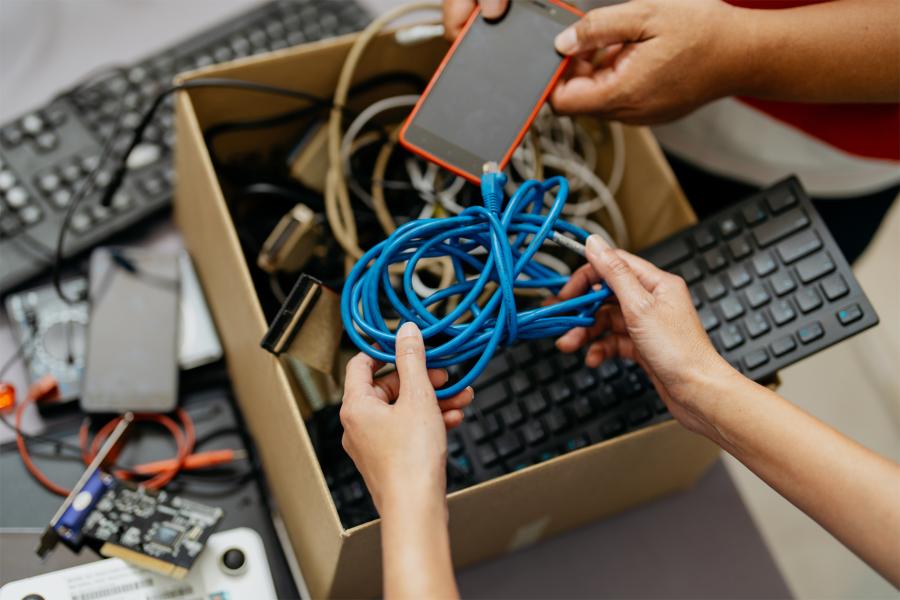
Free computer recycling refers to the process of disposing of obsolete or unused computer equipment through dedicated programs or services, at no cost to the user. These programs are designed to collect old computers, laptops, monitors, and various other electronic devices safely and sustainably. By utilizing such services, individuals and organizations can ensure that their outdated technology is disposed of responsibly, while also recovering valuable materials that can be reintroduced into the production cycle. For an efficient and responsible solution, explore free computer recycling options available near you.
Importance of Recycling Electronics
The importance of recycling electronics cannot be overstated. Our reliance on technology means that we are generating massive amounts of electronic waste, or e-waste. This waste often contains hazardous materials that can be detrimental to the environment and human health. By recycling electronics, we help mitigate these risks. Additionally, recycling allows for the recovery of precious metals and components, significantly reducing the need for mining and manufacturing new materials. Thus, engaging in free computer recycling not only helps protect our environment but also contributes to a more sustainable economy.
Environmental Benefits of Free Computer Recycling
Free computer recycling offers numerous environmental benefits, beginning with the reduction of landfill waste. When electronics are discarded in regular trash, they leach toxic substances such as lead, mercury, and cadmium into the soil and water supply, posing severe ecological risks. Proper recycling processes ensure that these materials are managed safely.
Moreover, recycling helps conserve natural resources by reclaiming valuable materials. It is estimated that recycling one million laptops can save the energy equivalent to the electricity used by over 3,500 U.S. homes for a year. This conservation extends to metals, plastics, and glass, which are often reused in new products.
Finding Local Free Computer Recycling Programs
How to Locate Free Services in Your Area
To find free computer recycling programs in your area, start with a basic online search using relevant keywords such as “free computer recycling near me.” You can also visit local government websites or reach out to community organizations that focus on sustainability. Many municipalities have established e-waste disposal days, where residents can drop off their old electronics free of charge.
Utilizing Online Resources for Recycling
There are several online resources dedicated to helping individuals locate free electronics recycling services. Websites like Earth911.com allow users to input their zip codes and find nearby recycling options. Other platforms may provide lists of local retailers who offer free recycling services, such as computer and tech retailers that have take-back initiatives. Additionally, searching for nonprofit organizations that focus on electronics recycling can also yield fruitful results.
Community-Led Initiatives for Electronics Recycling
In many communities, grassroots initiatives have emerged to facilitate the recycling of electronics. These may include local nonprofit organizations or community colleges that host e-waste recycling drives. Participating in such initiatives not only helps with the responsible disposal of electronics but can also be an opportunity for community engagement and awareness raising about the broader implications of electronic waste.
Preparing Your Computer for Recycling
Steps to Safely Dispose of Personal Data
Before recycling your computer, it is crucial to ensure that your personal data is wiped clean to maintain your privacy. This can be accomplished through various data wiping software solutions. Programs like DBAN (Darik’s Boot and Nuke) effectively overwrite existing data, making it unrecoverable. Additionally, it’s a good practice to remove the hard drive for physical destruction if you have particularly sensitive information.
Condition Requirements for Recyclable Devices
Most recycling programs accept a range of computer types, but the condition can vary by program. Generally, working devices are more beneficial to recycling efforts, as they can be refurbished and reused. Non-functional devices are also accepted, but it is beneficial to check the specific requirements of the recycling program you choose to use.
Packaging Guidelines for Safe Transport
When preparing to transport your computer for recycling, it’s important to package it securely to prevent damage. Utilizing the original box, if available, is ideal. Otherwise, ensure that the device is wrapped in bubble wrap or foam padding to cushion against shocks during transport. Labeling the box with the contents can also help recycling personnel handle it properly upon arrival.
Challenges in Free Computer Recycling
Common Misconceptions About Recycling
A prevalent misconception is that recycling electronics is complicated and time-consuming. In reality, numerous services exist that simplify the process. Another myth is the belief that recycling costs money, while many localities provide free options. Awareness campaigns can help debunk these myths and encourage greater participation in recycling programs.
Overcoming Barriers to Participation
Barriers to participation in recycling programs may include lack of awareness or accessibility. Many residents may not know where to recycle their electronics, or they may lack transportation to drop-off points. To combat these challenges, community outreach is essential, along with providing ample resources and clear information about recycling options.
Addressing E-Waste Pollution Concerns
One of the most critical issues with improper e-waste disposal is pollution. Electronics are laden with hazardous materials, which can cause soil and water contamination when disposed of irresponsibly. Establishing stringent regulations and promoting free computer recycling programs can help combat e-waste pollution. Educating the public about the impacts of e-waste is essential to fostering responsible behaviors.
Frequently Asked Questions about Free Computer Recycling
What should I do with my old computer?
You can take it to local recycling centers that offer free services or utilize retailer programs that accept old electronics for recycling.
Are there any fees associated with recycling?
Most local initiatives provide free computer recycling options, but it’s wise to check in advance to confirm the specific terms.
Can I recycle other electronics along with my computer?
Yes, many recycling programs accept various electronic devices, including laptops, printers, and telecommunication equipment.
How do I remove my personal data?
Utilizing data wiping software is crucial to securely delete your information before recycling the device, ensuring privacy protection.
Are there pickup services for recycling?
Some organizations provide free pickup services, especially for large quantities of electronic waste from businesses or educational institutions.